
360° Leadership
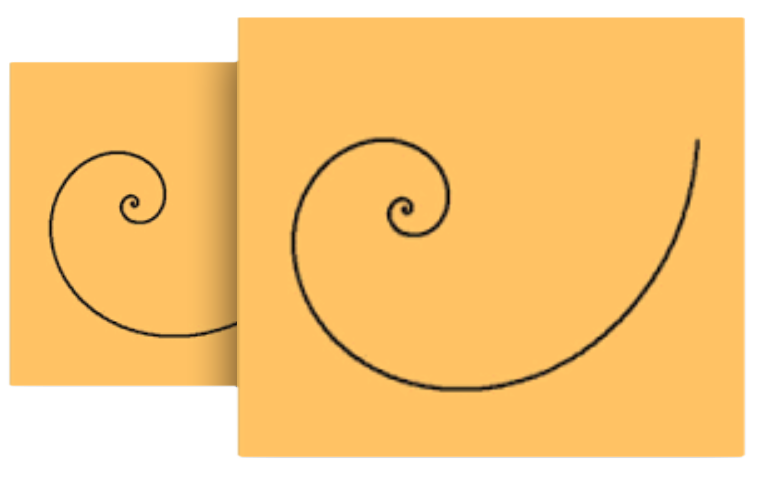
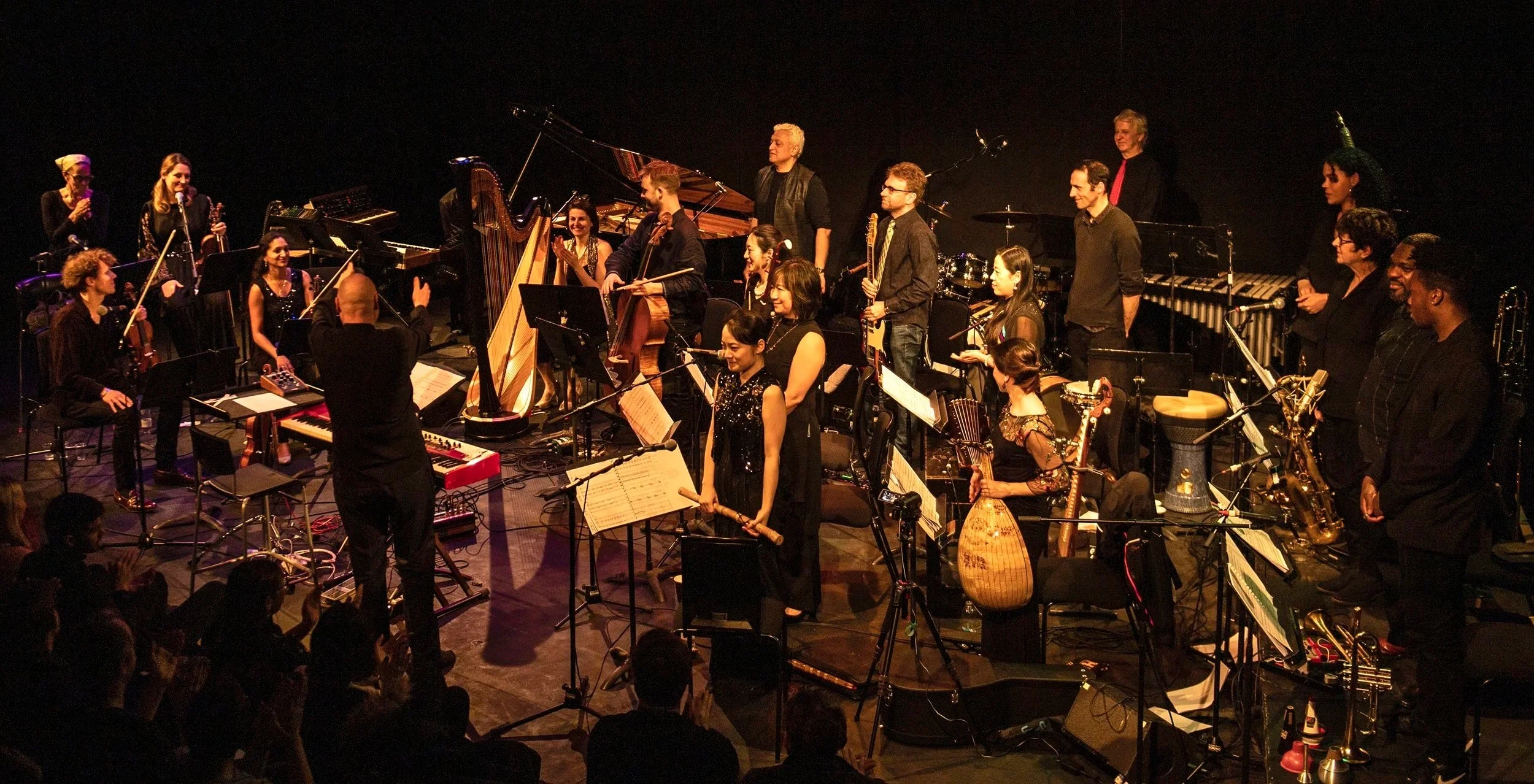
360° leadership works from holding the centre, carrying the flow of a session, orientating, focusing, waiting for solutions to emerge.
Within a 360° array, problems often resolve themselves! With multiple ripples across the many interactions of the participants. A a kind of space of infinite possibility, as problems are taken on and shared and owned by each actor present..
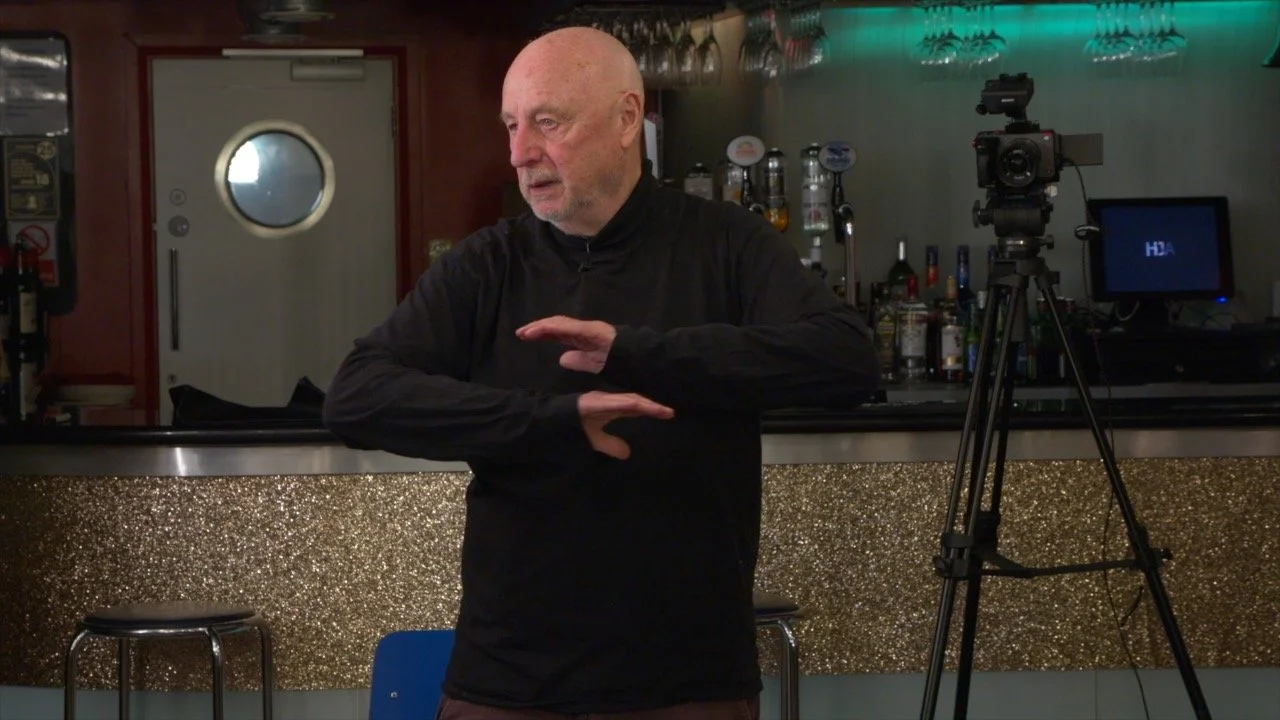
The role of the leader is to hold that space, centre it, maybe by a rhythm, a sound, a poetic idea, a ‘backbone’ score, or sharing the lead with an individual or group - then enabling things to emerge and transform from that new centre..
So it is a ‘third space’ - not a first space where a leader feels impelled to make every decision. Not a second space with a fixed horizontal collectivity, but a third space, that is, at its best, an alchemy of the first two.
Below are some of the key qualities that would be addressed in a leadership training programme.
Peter Wiegold was being closely questioned by a PR executive as to exactly how the Third Orchestra worked, and he asked, ‘so it is led?’ ‘Yes’. ‘Is this top-down?’ No. It is centre-out’.
Presence
It is necessary to bring complete attention to the room
Essence
Evoke the true presence of the task
Responsibility
Naturally assumed by all
Permission
Every idea has possibility, dark/light, soft/loud..
Both
Written<> improvised/self<>other
Straight note<>blue note!
Autonomy within a whole
Each person both autonomous and connected
Voice
Everyone will have a distinct and valuable voice
Building a team - a ‘band’
Actors welcome to find roles
Truth
Felt and shared, rather than defined
Ownership
Actors contribute from themselves, then feel they own that moment
Embodiment
The whole person brings their full self. This needs to be brave.
Critical intervention
By the leader, by a participant
Be prepared to overturn the moment
Terry O’Connell, distinguished Restorative Justice pioneer, watched a video of Peter leading a session
‘Peter Wiegold is a masterful 'relational 'facilitator whose overall aim was to develop quality relationships using some useful concepts and strategies with a musical goal in mind, harmony.
He started with a vulnerable group, engaged in activities that reduced vulnerability. This was underpinned by the occasional use of music. He deconstructed the ‘musical construct’ by explicitly identifying key elements then inviting each individual to verbally or musically give expression to a particular element.
The act of establishing relationships provided the conditions needed for a range of concepts to become the ‘lived experience: space, copy, accuracy and feel, engagement, stillness, range, permission, improvisation and so on. In other words the 'freedom to dare’.
This is all reinforced by how music strengthens our emotional connections.
Peter established the conditions that allowed the group to engage in rituals that create harmony! Music is a bit more than the routine of playing an instrument. NB Difference between routine and a ritual - one has a soul!’
Terry O’Connell December 2025.
If you or your organisation would be interested to explore 360° leadership, please contact us at:
